Reconditioned
IBC Totes
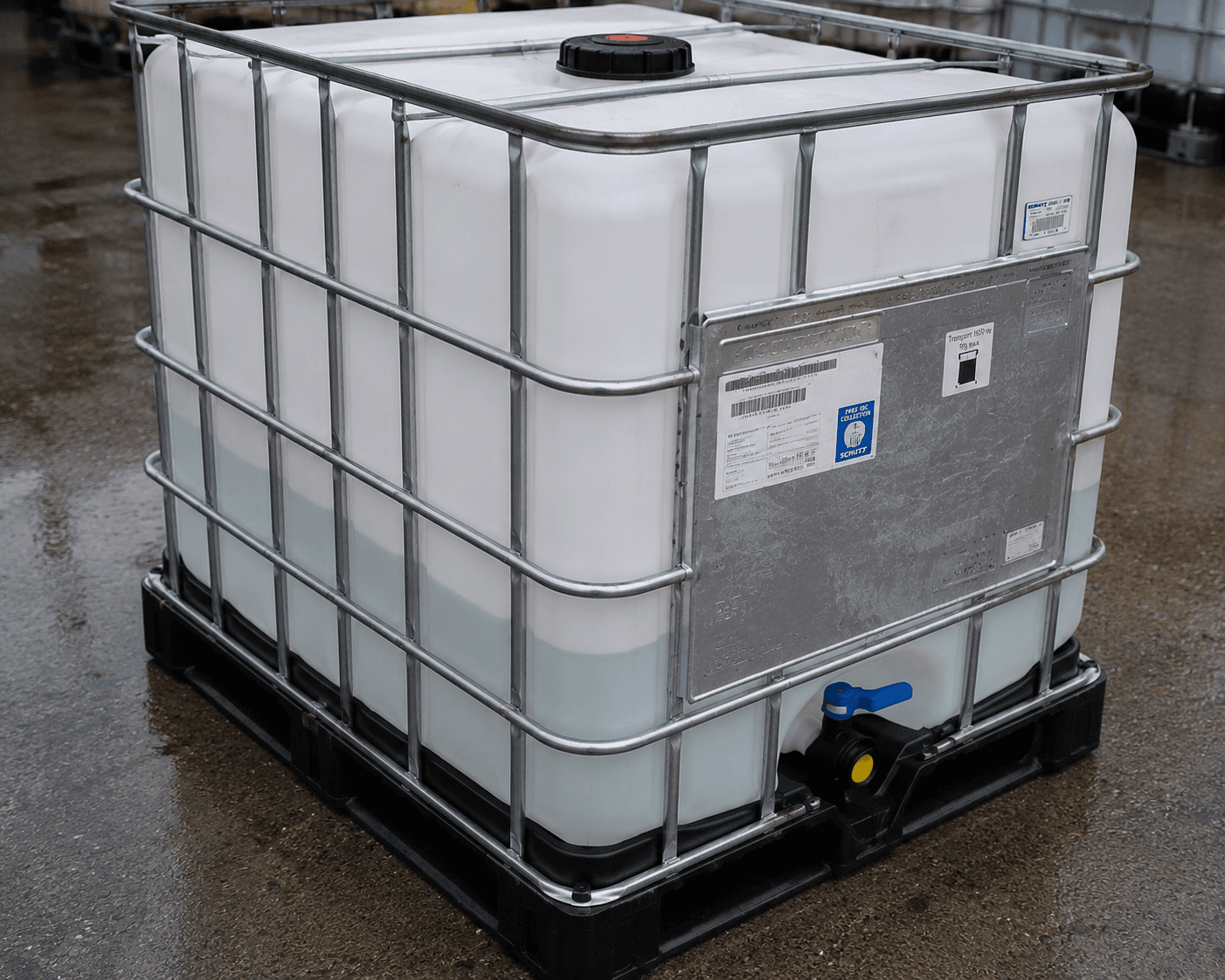
New HDPE bottles on refurbished steel cages. Professionally cleaned, rebottled, pressure-tested, and certified. The best of both worlds — like-new quality at 30-50% less than factory new.
Quote Reconditioned IBC Totes
Specify your size, quantity, and application requirements. We will provide a detailed quote including freight options within 24 hours.
New Bottle, Proven Cage
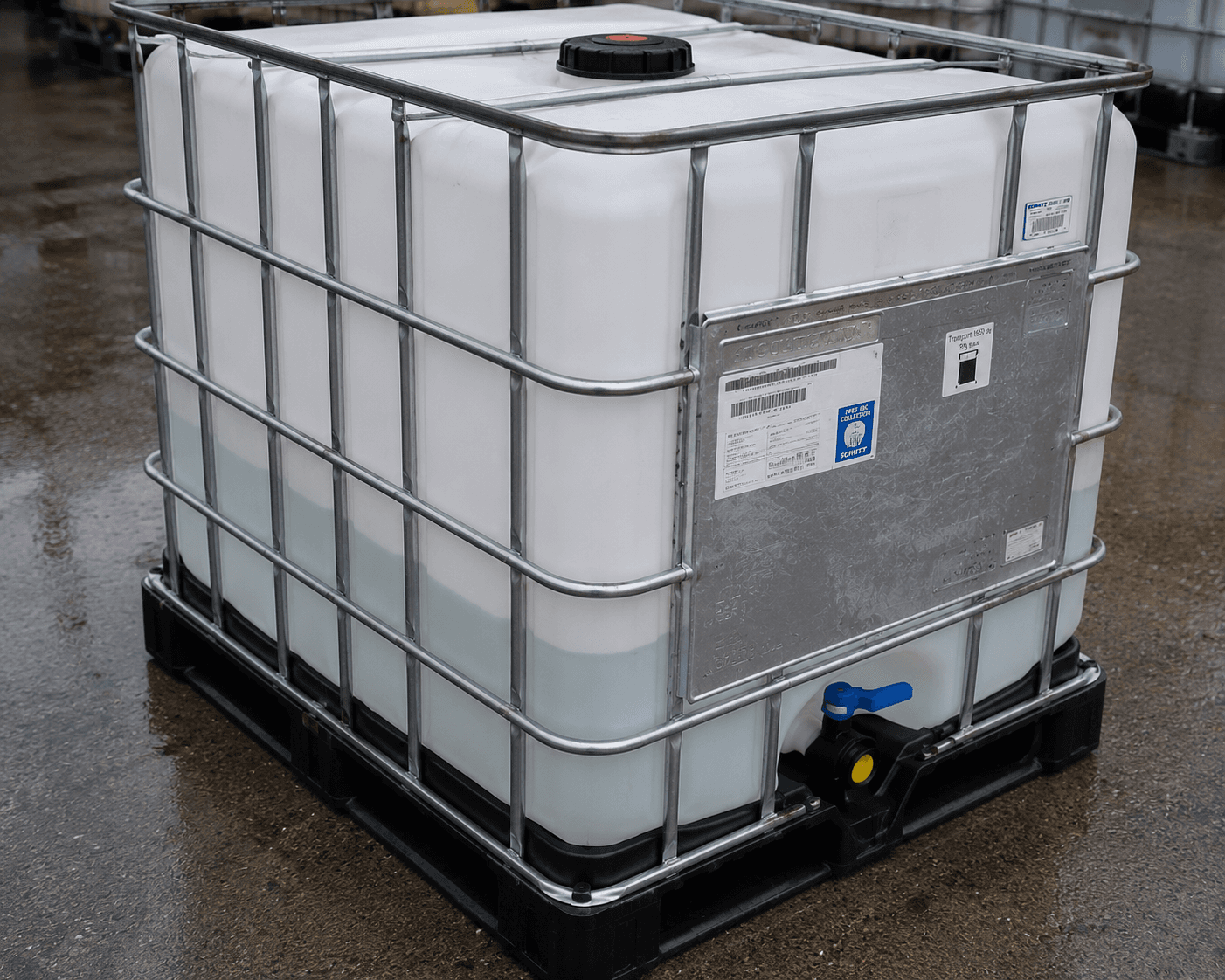
Our reconditioned IBC totes feature a brand-new, virgin HDPE bottle installed into a professionally refurbished steel cage. Every cage is straightened, cleaned, and inspected. Every valve, gasket, and cap is new. The result is a container that performs identically to a new IBC at 30-50% less cost.
Each reconditioned tote is pressure-tested and certified before leaving our facility. We maintain full traceability records for regulatory compliance and provide reconditioning certificates upon request.
The 7-Step Reconditioning Process
Every reconditioned IBC tote goes through a rigorous multi-step process that ensures it meets or exceeds performance requirements for its intended application.
Intake Inspection
Every incoming IBC is logged and visually inspected. We document the previous contents (via SDS review), assess cage and pallet condition, and determine whether the unit is a candidate for reconditioning or recycling. Containers that previously held hazardous, toxic, or incompatible materials are flagged and routed to our specialized disposal stream.
Cage & Pallet Assessment
The steel cage is inspected for structural integrity, weld failures, and corrosion. Cages with minor dents or surface rust are wire-brushed, straightened, and treated. Pallets are checked for cracks, warping, and forklift damage. Only cages and pallets that meet our structural threshold advance to the next stage. Those that fail are recycled as scrap steel or composite material.
Old Bottle Removal
The used HDPE bottle is mechanically separated from the steel cage. This process uses specialized tooling to release the bottle from the cage frame without damaging the cage structure. The removed bottle is granulated on-site and sent to HDPE recyclers where it is pelletized and reborn into new plastic products such as drainage pipe, plastic lumber, and non-food containers.
Cage Cleaning & Refurbishment
The bare cage undergoes thorough cleaning to remove residue, labels, and adhesive. Rust is treated with a phosphoric acid conversion process. Damaged welds are repaired by certified welders. The cage is then straightened to factory specifications using hydraulic presses. Finally, a new label plate is installed for customer identification and tracking.
New Bottle Installation (Rebottling)
A brand-new, virgin HDPE bottle is blow-molded and fitted into the refurbished cage. The bottle is secured to the cage with a proprietary clamping system that prevents shifting during transport. A new 6-inch (150mm) screw cap is installed on the top fill opening, and a new 2-inch NPS butterfly valve is mounted at the discharge point. All seals and gaskets are new.
Pressure Testing & Quality Check
The completed assembly is filled with water and pressurized to verify zero leaks at the valve, cap, and all seam points. Each tote must sustain internal pressure for a minimum of 5 minutes with no drop. The valve is cycled open and closed multiple times to confirm smooth operation. A final visual inspection ensures the tote meets our cosmetic and structural standards.
Certification & Shipping
Totes that pass all inspections receive a reconditioning certification label showing the reconditioner identity, date of reconditioning, and applicable UN markings (where required). The finished totes are palletized, stretch-wrapped, and staged for pickup or outbound freight. Full documentation is available upon request for regulatory compliance and audit trails.
Used vs. Reconditioned: What's the Difference?
Both are sustainable choices, but they serve different needs. Here is a side-by-side breakdown to help you decide.
| Feature | Used IBC Tote | Reconditioned IBC Tote |
|---|---|---|
| HDPE Bottle | Original bottle, may show wear | Brand-new virgin HDPE bottle |
| Valve | Original valve, tested for function | New butterfly valve with new gaskets |
| Cap & Seals | Original, inspected | All new caps, seals, and gaskets |
| Cage | As-is condition, graded A/B/C | Cleaned, straightened, repaired |
| Pallet | As-is condition, structurally verified | Inspected and repaired/replaced |
| Pressure Test | Visual inspection for leaks | Full hydrostatic pressure test |
| Appearance | Varies by grade | Clean, professional, like-new |
| Price Range | $40 - $160 | $140 - $220 |
Quality Standards & Testing
Reconditioning is not just cleaning. It is a regulated, documented process governed by DOT, UN, and FDA standards.
DOT & UN Compliance
Reconditioned totes that will be used for regulated materials are rebuilt to meet DOT 49 CFR and UN performance standards. We apply the correct UN reconditioning markings including the reconditioner identification code, country of reconditioning, and year/date of reconditioning.
FDA-Compliant Materials
New bottles are manufactured from FDA 21 CFR 177.1520-compliant HDPE resin, suitable for direct food contact. This ensures that reconditioned totes can be used for food-grade applications such as juices, syrups, edible oils, and potable water.
Hydrostatic Pressure Testing
Every reconditioned tote undergoes a hydrostatic leak test where the assembled container is filled and pressurized. This test exceeds the standard visual inspection used for used totes and provides documented assurance of liquid-tight integrity.
Traceability & Documentation
We maintain full chain-of-custody records from intake to outbound shipment. Every reconditioned tote can be traced back to its source, the reconditioning date, the technician who performed the work, and the test results. This documentation is available for customer audits and regulatory inquiries.
The Rebottling Process
Rebottling is the defining step that separates a reconditioned IBC from a used one. It means replacing the old, worn HDPE bottle with a factory-new one while retaining the durable steel cage and pallet base. This process delivers three critical advantages:
Zero Cross-Contamination Risk
A brand-new bottle has never held any substance. There is no chemical residue, staining, odor, or molecular absorption from previous contents. This is essential for food, pharmaceutical, and sensitive chemical applications.
Full Structural Integrity
New bottles have maximum wall thickness and UV resistance. Unlike used bottles that may have stress crazing or micro-cracks from repeated filling and emptying, a new bottle delivers full rated performance from day one.
Professional Appearance
A clear, unblemished bottle on a clean cage presents a professional image for customer-facing deliveries. Many distributors and manufacturers choose reconditioned totes specifically because they look as good as new.
Rebottled Tote Specifications
Ideal Applications for Reconditioned Totes
The combination of a new bottle and tested cage makes reconditioned IBCs suitable for a wide range of demanding applications.
Food & Beverage Processing
New FDA-compliant HDPE bottles make reconditioned totes ideal for juice concentrates, flavoring syrups, cooking oils, vinegar, and potable water transport and storage.
Pharmaceutical & Cosmetics
Clean, certified containers for non-sterile pharmaceutical intermediates, cosmetic ingredients, personal care products, and cleaning compounds.
Chemical Manufacturing
UN-rated reconditioned totes for non-hazardous and select hazardous chemical transport. Always verify UN rating compatibility with your specific material classification.
Agriculture
Liquid fertilizers, crop protection agents, adjuvants, and seed treatments. The like-new bottle ensures no cross-contamination from previous contents.
Water Treatment
Sodium hypochlorite, ferric chloride, polymer solutions, and other water treatment chemicals benefit from the clean, corrosion-resistant new bottle.
Industrial Manufacturing
Coolants, lubricants, adhesives, coatings, and solvents. Reconditioned totes deliver professional appearance for customer-facing deliveries.
Reconditioning vs. Buying New: A Detailed Comparison
Reconditioned IBC totes deliver 90-95% of the performance of a brand-new container at 30-50% lower cost. Here is how they compare across every factor that matters.
Performance Equivalence
The component that contacts your product -- the HDPE bottle -- is brand-new in a reconditioned tote. It is the same virgin HDPE resin, same wall thickness, same FDA compliance, and same chemical resistance as a factory-new IBC. The only difference is that the steel cage and pallet base have been previously used and refurbished rather than manufactured new. For liquid containment performance, a reconditioned tote is functionally identical to new.
Cost Advantage
A new 275-gallon IBC tote typically costs $280-$400. A reconditioned 275-gallon tote runs $140-$220 -- a savings of $100-$180 per unit. For a business ordering 50 totes, that translates to $5,000-$9,000 in savings. The cost reduction comes from reusing the steel cage and pallet, which are the most expensive components to manufacture but the longest-lasting parts of the assembly.
Environmental Impact
Manufacturing a new steel cage requires mining iron ore, smelting steel, forming and welding tube stock, and galvanizing or coating the finished frame. By reusing the cage and pallet, reconditioning avoids approximately 70% of the energy consumption and 65% of the CO2 emissions associated with building a completely new IBC. For companies with sustainability goals or ESG reporting requirements, reconditioned totes are a measurable win.
Lead Time & Availability
New IBC totes often carry 4-8 week lead times from manufacturers, especially during peak seasons or supply chain disruptions. Reconditioned totes are produced in-house at our Grand Rapids facility with typical lead times of 3-7 business days. We maintain a standing inventory of reconditioned totes ready for immediate shipment, making them the faster option for urgent needs.
Where New Wins
New IBCs are the right choice when you need: a valid, original UN rating for HAZMAT transport (reconditioned totes carry reconditioning markings, not original UN test marks); a full manufacturer warranty on all components including the cage; containers for export under international shipping regulations that require original certification; or when your customer specifications explicitly mandate new, unused packaging.
The Bottom Line
For 80-90% of applications -- including food-grade storage, chemical containment, agricultural use, water treatment, and industrial liquids -- a reconditioned IBC tote delivers the same functional performance as new at a significant cost reduction. Reserve new IBCs for the specific applications that legally or contractually require them, and use reconditioned for everything else.
What Gets Replaced During Reconditioning
A reconditioned IBC is not just a cleaned used tote. Multiple components are replaced with brand-new parts, ensuring the container performs like new where it matters most.
HDPE Bottle
Replaced NewThe entire inner bottle is removed and replaced with a factory-new, blow-molded HDPE bottle made from 100% virgin resin. The new bottle has never held any substance, providing zero contamination risk and full wall thickness for maximum service life.
2" Discharge Valve
Replaced NewA new 2-inch NPS butterfly valve is installed with a polypropylene body and fresh EPDM or Viton seals. The valve provides smooth quarter-turn operation and a drip-free seal from day one. Ball valve upgrades are available on request.
6" Fill Cap
Replaced NewA new 150mm screw cap with an integrated EPDM gasket replaces the original. The new cap provides an airtight, leak-proof seal on the fill opening. Wide-mouth (8") or breather vent cap options are available.
Valve Gaskets & Seals
Replaced NewAll gaskets and O-rings throughout the assembly are replaced with new seals. This includes the valve-to-bottle gasket, the cap gasket, and any internal sealing surfaces. Gasket material is matched to the intended application.
Cage Label Plate
Replaced NewThe old label plate is removed and a new one is installed. The new plate displays the reconditioning certification information, date of reconditioning, and reconditioner identification code for traceability.
Steel Cage
RefurbishedThe steel cage is not replaced -- it is cleaned, de-rusted, straightened to factory specs, and any damaged welds are repaired by certified welders. The cage is the most durable component of an IBC and typically outlasts 3-5 bottle replacements.
Pallet Base
Inspected / RepairedThe pallet is inspected for cracks, warping, and structural integrity. Damaged pallets are repaired or replaced entirely. Steel pallets are cleaned and treated for rust. Wood and composite pallets are checked for rot, split boards, and forklift damage.
Cage-to-Bottle Clamps
Replaced or RefurbishedThe clamping system that secures the bottle inside the cage frame is inspected and replaced if worn. Proper clamping prevents the bottle from shifting during transport and stacking, which can cause premature wear and valve stress.
Reconditioning Certification
New DocumentationEach reconditioned tote receives a certification label with the reconditioner ID, date of reconditioning, and applicable UN markings. Full test documentation and chain-of-custody records are maintained and available on request.
Certification & Compliance for Reconditioned IBCs
Reconditioning is a regulated process. Here is how our reconditioned totes meet the requirements of DOT, UN, FDA, and industry-specific standards.
DOT 49 CFR Part 178 & 180
The U.S. Department of Transportation regulates the reconditioning of Intermediate Bulk Containers under 49 CFR Part 178 (specifications for packaging) and Part 180 (continuing qualification and maintenance). Our reconditioning process follows these regulations precisely, including required inspections, testing protocols, and marking requirements. Reconditioned IBCs intended for hazardous material transport must meet the performance standards of the original UN design type, and our testing verifies this compliance.
UN Reconditioning Markings
Reconditioned totes receive UN reconditioning markings that include: the country of reconditioning (USA), the name or authorized symbol of the reconditioner, the year of reconditioning, and the statement that the container has been "reconditioned." These markings appear on the new label plate affixed to the cage. Note that reconditioning markings are different from original UN performance test markings -- for applications requiring original UN test certification, a new IBC may be required.
FDA 21 CFR 177.1520 (Food Contact)
The new HDPE bottles installed during reconditioning are manufactured from resin that complies with FDA 21 CFR 177.1520, which governs olefin polymers for food-contact applications. This means our reconditioned totes are suitable for food-grade applications including juices, syrups, oils, vinegar, and potable water. We maintain Certificates of Analysis from our resin suppliers documenting FDA compliance.
EPA SPCC & Containment Requirements
While the IBC itself is not regulated by EPA, facilities storing IBCs containing oil or hazardous substances may be subject to SPCC (Spill Prevention, Control, and Countermeasure) requirements under 40 CFR Part 112. Our reconditioned totes, when paired with our secondary containment pallets, help facilities achieve SPCC compliance. We can advise on containment configurations for your specific regulatory situation.
State-Level Regulations
Some states have additional requirements for IBC reconditioning, transport, and use. California, for example, has Proposition 65 considerations for containers that may contact products containing listed chemicals. New York and New Jersey have specific requirements for IBC storage at industrial facilities. We stay current on state-level regulations and can provide guidance for your jurisdiction.
Warranty Information
We stand behind the quality of our reconditioning work. Every reconditioned IBC tote leaves our facility with a clear warranty that gives you confidence in your purchase.
Leak-Free Guarantee
Every reconditioned tote is hydrostatic pressure-tested before it ships. If a reconditioned tote leaks at the valve, cap, or any seam within 90 days of delivery under normal use conditions, we will repair or replace it at no charge. This covers manufacturing and reconditioning defects, not damage from misuse, overpressure, or chemical incompatibility.
Valve & Cap Warranty
New valves and caps installed during reconditioning are warranted for 12 months against defects in materials and workmanship. This covers valve handle breakage, seal failure under normal operating pressure, and cap thread stripping that is not caused by cross-threading during use.
Bottle Integrity
The new HDPE bottle is warranted against manufacturing defects including pinhole leaks, seam separation, and material delamination for 12 months from delivery. This warranty does not cover damage from UV exposure on unprotected outdoor installations, chemical attack from incompatible products, or physical puncture from external impact.
Cage & Pallet Structural Warranty
The refurbished cage and pallet are warranted for structural integrity for 6 months. This covers weld failures on repaired joints, pallet cracking at repaired areas, and cage deformation under normal stacking loads (2-high, filled to rated capacity). It does not cover damage from forklift accidents, overloading beyond rated capacity, or corrosion from chemical exposure.
Making a Warranty Claim
To make a warranty claim, contact us within the warranty period with your order number and photos of the issue. We respond within 24 hours and typically resolve claims within 3-5 business days via replacement tote, replacement parts, or credit toward your next order. We do not require return shipping for warranty claims -- we trust our customers.
Warranty Coverage Summary
Reconditioning FAQ
Common questions about our reconditioned IBC totes, the reconditioning process, and how to decide between reconditioned and other options.
Q:How many times can an IBC tote be reconditioned?
The steel cage and pallet can typically support 3-5 reconditioning cycles over a 15-20 year lifespan, depending on usage conditions and handling care. Each reconditioning cycle installs a new bottle, new valve, and new seals, effectively resetting the product-contact surfaces to factory-new condition. The limiting factor is the cage -- once it accumulates too much structural damage, corrosion, or weld fatigue, it is retired from reconditioning and recycled as scrap steel.
Q:Can I send my own used totes for reconditioning?
Yes. We offer toll reconditioning services where we process your own used IBC totes. You deliver your empties to our Grand Rapids facility (or we arrange pickup), and we rebottle, test, and certify them before returning them to you. This is a cost-effective option for companies that generate a steady stream of empty totes and want to reuse their own cage inventory. Contact us for toll reconditioning pricing, which varies based on cage condition and volume.
Q:Are reconditioned IBCs suitable for food-grade applications?
Yes. The new HDPE bottle installed during reconditioning is manufactured from FDA 21 CFR 177.1520-compliant virgin resin, making it fully suitable for direct food contact. The bottle has never held any substance, so there is zero risk of contamination from previous contents. Reconditioned totes are widely used in the food and beverage industry for juice concentrates, syrups, cooking oils, vinegar, and potable water. We can provide Certificates of Analysis for the HDPE resin upon request.
Q:What is the difference between "reconditioned" and "refurbished"?
In the IBC industry, "reconditioned" has a specific regulatory meaning: it refers to a container that has been restored to meet its original performance standards, with the process documented and marked according to DOT and UN requirements. "Refurbished" is a more general term that may or may not involve the same level of testing and certification. All of our reconditioned totes meet the DOT and UN definition of reconditioning, including rebottling with new HDPE, hydrostatic testing, and proper certification marking.
Q:Do reconditioned totes carry a UN rating for hazmat transport?
Reconditioned totes carry reconditioning markings rather than original UN performance test markings. For non-hazardous goods, reconditioned totes are fully acceptable. For hazardous materials classified as Packing Group II or III, reconditioned totes that have been properly tested and marked may be acceptable under DOT 49 CFR regulations, but you should verify with your DOT compliance officer for your specific material classification. For Packing Group I or when original UN test marks are required by your shipper or customer, a new IBC is the appropriate choice.
Q:How quickly can you fulfill a reconditioned tote order?
We maintain a standing inventory of reconditioned totes in both 275 and 330 gallon sizes that are ready for immediate shipment. For standard orders of 1-20 totes, we typically ship within 1-3 business days. Larger orders or custom specifications (such as ball valve upgrades or specific gasket materials) may require 5-7 business days for preparation. Freight transit time is additional and depends on your destination. Contact us for current inventory levels and lead time estimates for your specific order.
Q:What happens to the old bottles you remove during reconditioning?
Every old HDPE bottle removed during reconditioning is granulated on-site at our facility. The HDPE granulate is sold to plastics recyclers who pelletize it and use it to manufacture new products including drainage pipe, plastic lumber, recycling bins, and non-food-contact containers. We maintain a zero-landfill policy for reconditioning waste -- the old bottles, removed gaskets, and cage repair trimmings are all recycled into new materials. This closed-loop approach is a core part of our environmental commitment.
Explore More Options
Get Like-New Quality for Less
Our reconditioned IBC totes deliver the performance and appearance of new at a price that makes sense. Request a quote and see the difference.